

화학적 적합성 관점에서 본 Goodpack IBC vs 보틀-인-케이지 시스템
Chemical Compatibility: Goodpack IBCs vs Bottle-in-Cage Systems
Chemical transport operates in a high-stakes environment where packaging integrity and strict regulatory compliance are absolutely non-negotiable for both safety and global logistics. Consequently, the choice of packaging dictates the resilience of the entire supply chain. This comparison frames the strategic choice businesses often face: leveraging the enduring asset value of Goodpack's reusable metal intermediate bulk containers (IBCs) against the immediate containment solution provided by traditional bottle-in-cage (BIC) systems.
Our analysis will outline four critical comparison pillars for chemical businesses: performance, safety, cost efficiency, and sustainability, providing the necessary framework for you to make an informed, strategic decision.
Performance and Operational Efficiency
Effective packaging in the chemical sector must achieve three primary goals: ensuring payload protection against contamination, maximizing transport volume, and integrating seamlessly into existing logistics infrastructures.
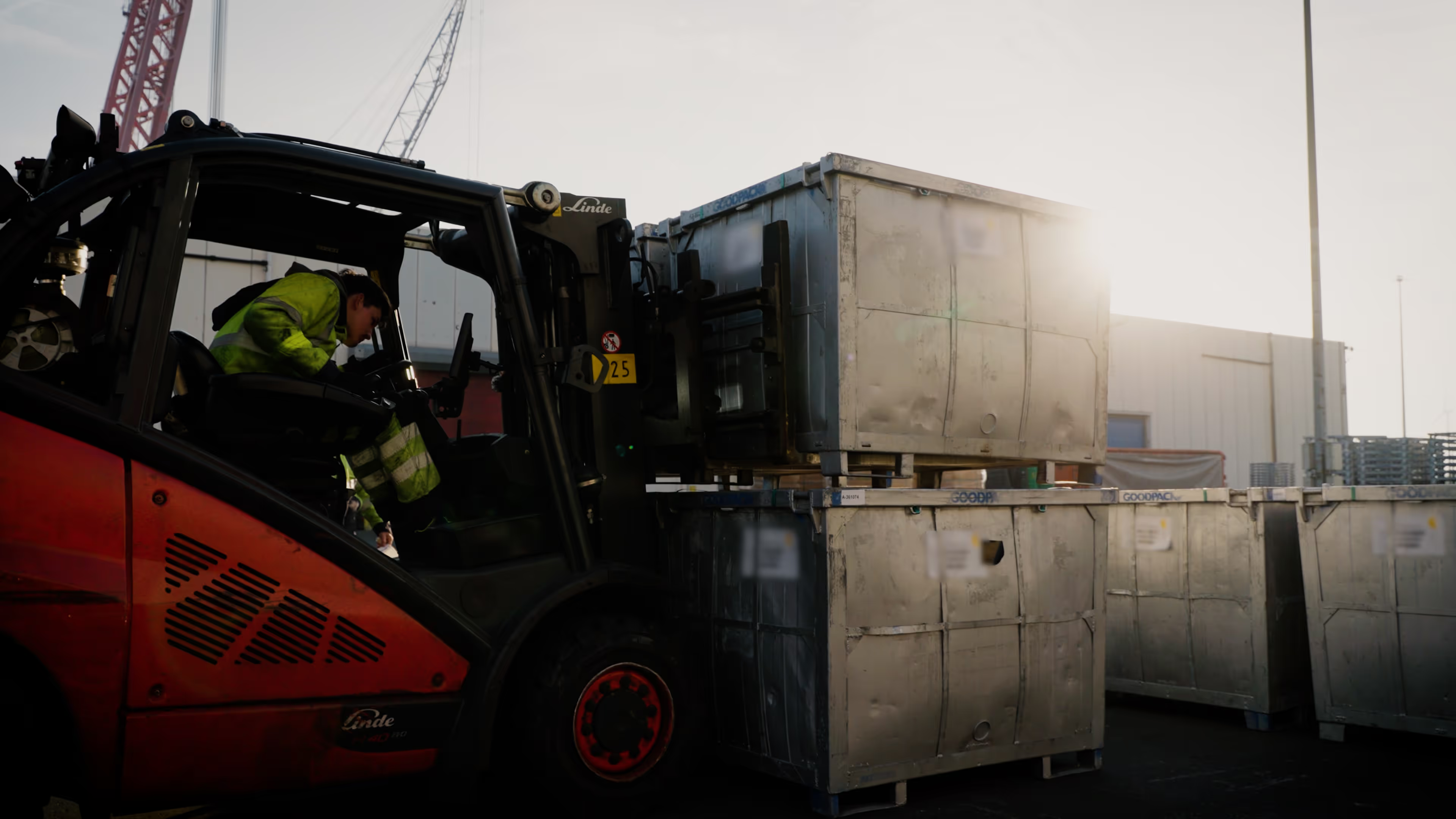
Goodpack’s IBC containers for chemical transport are designed for high compatibility with existing filling and discharging processes and standardized logistics equipment. Its durable, cubic design allows for high stacking, often up to five containers high, which significantly boosts warehouse density and freight utilization while reducing shipping time. Conversely, the BIC system's inherent plastic-in-cage structure often restricts overall payload capacity and leads to inefficient use of container space during shipping, resulting in a typical stacking limit of just two units high.
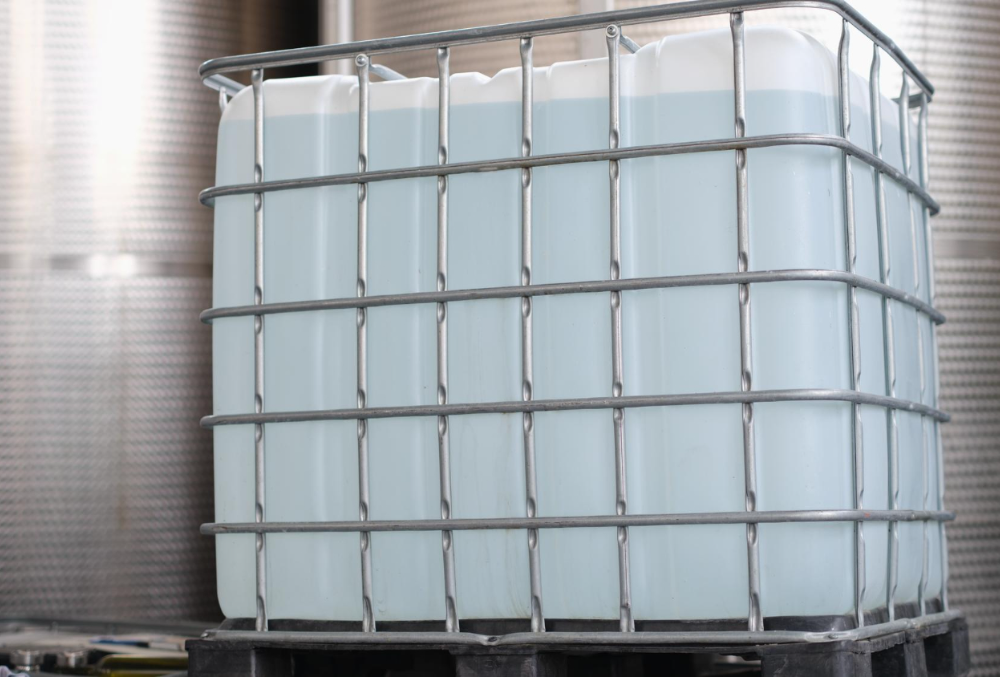
The distinction is even clearer regarding product protection. Goodpack’s advanced model, utilizing a reusable steel frame coupled with specialized liquid liners or partner inserts, offers superior protection for every trip by separating product contact from the enduring asset. However, the traditional BIC design, which relies on a multi-use plastic inner bottle, introduces a logistical difficulty. Any attempt to reuse this non-replaceable inner bottle for different chemical types necessitates extensive compatibility testing and risks potential contamination, demanding complex pre-use verification protocols and ultimately restricting operational flexibility.
Safety
Safety in chemical transport mandates robust structural integrity and strict adherence to regulations. The packaging must be built to safeguard against mechanical failure throughout its entire lifecycle.
The inherent design differences between metal IBC systems and BIC systems directly impact long-term safety. A Goodpack-style system relies on a robust galvanized steel frame that offers long-life structural protection, minimizing structural degradation over repeated trips. This consistency is crucial for long-term compliance, as the container’s base structure retains its integrity, thereby simplifying the container’s regulatory recertification process over its long lifespan. In contrast, BIC plastic components are susceptible to impact damage, material fatigue, and degradation under environmental stress (e.g., UV exposure), potentially compromising the stability of the entire system and increasing risk during heavy handling.
Furthermore, managing contamination is a key safety issue in chemical logistics. The inherent risk of cross-contamination is high when attempting multi-use applications with traditional plastic inner bottles, as complex and often imperfect cleaning protocols may fail to remove all residues. The alternative offers the most reliable solution: by separating the primary containment (the metal frame) from the product contact via specialized liners, it offers the most reliable path to ensuring chemical cleanliness and safety compliance for every shipment, completely eliminating the need for intensive internal container washing.
Cost Efficiency
Achieving cost efficiency necessitates shifting the focus from the initial purchase price of packaging to the Total Cost of Ownership (TCO) across the entire supply chain. This holistic perspective reveals that while the initial outlay for specialized packaging might seem higher, the long-term expenses, or savings, are determined by factors like durability, waste management, and operational predictability.
The Goodpack model excels in cost optimization by leveraging its standardized cubic design, which leads to better payload capacity and reduced packaging volume. This geometric advantage reduces freight costs significantly by allowing for fewer overall shipments compared to the limitations of BIC systems. Furthermore, the IBC leasing model strategically eliminates Capital Expenditure (CAPEX) and transfers the internal costs associated with asset maintenance, tracking, and disposal directly to the provider, transforming packaging expenses into a simple, predictable operating expense.
Conversely, BIC systems introduce high hidden costs. These include substantial disposal fees for the spent plastic bottles and significant labor required for tracking the limited-use plastic components. Furthermore, the BIC tote design often requires less efficient handling procedures and may necessitate extra protective materials (dunnage) within the cage. This necessity for additional packaging and inefficient processes further erodes any initial savings, resulting in a significantly higher TCO compared to the standardized, robust metal frame.
Sustainability and Circularity
Packaging choice is directly linked to corporate environmental, social, and governance (ESG) goals, acting as a major factor in reducing Scope 3 emissions and managing environmental liability in the value chain. This is because packaging, being a consumable element of the supply chain, often generates substantial waste and energy consumption. Choosing a sustainable packaging model is therefore a non-negotiable requirement for businesses aiming for decarbonization and circularity.
A primary contribution of metal IBCs to sustainability is the dramatic reduction in plastic waste achieved by using a highly durable, reusable steel frame instead of continuously generating plastic waste from limited-use BIC components. This maximal asset reuse realizes great decarbonization potential by avoiding the energy-intensive manufacturing cycles required for new plastic packaging. Furthermore, the leasing model fosters supply chain resilience, and digital tracking ensures transparency of the supply chain, vital for accurate environmental reporting.
Conversely, the BIC system fundamentally operates as a complex, continuous waste stream. Its reliance on the disposal or recycling of the non-reusable plastic bottle component after limited use poses long-term environmental liability for the user and significantly complicates compliance with waste regulations. The creation of this waste stream poses long-term environmental liability for the user, negating most sustainability claims and making circularity difficult and expensive to achieve.
IBC vs Bottle-in-Cage Systems: At a Glance
The most strategic packaging decision is informed by a direct comparison of asset performance and long-term cost implications. Review the features below to understand what the inherent structural differences between systems are and how they impact operational efficiency, safety, and circularity in chemical logistics.
The Strategic Choice for Global Chemical Supply
The demands of modern chemical transport have redefined the required standard for bulk packaging. The long-term investment must now prioritize asset resilience and a true circular design that integrates safety with environmental stewardship. While the traditional BIC system addresses immediate containment, it fails to provide a scalable, sustainable, or cost-predictable model for global operations.
The IBC rental solution, however, offers the definitive path forward. By combining the unmatched structural durability of galvanized steel with a flexible leasing model and integrated digital tracking, you gain a strategic packaging solution that fundamentally minimizes risk and ensures robust compliance. This approach maximizes asset value throughout your entire supply chain, delivering superior performance while building a resilient, circular, and commercially sound future.


